
Filters
20 items
Sort Most relevant
-
TYR Aquatic Resistance Belt -
TYR Catalyst Stroke Training Hand Paddles -
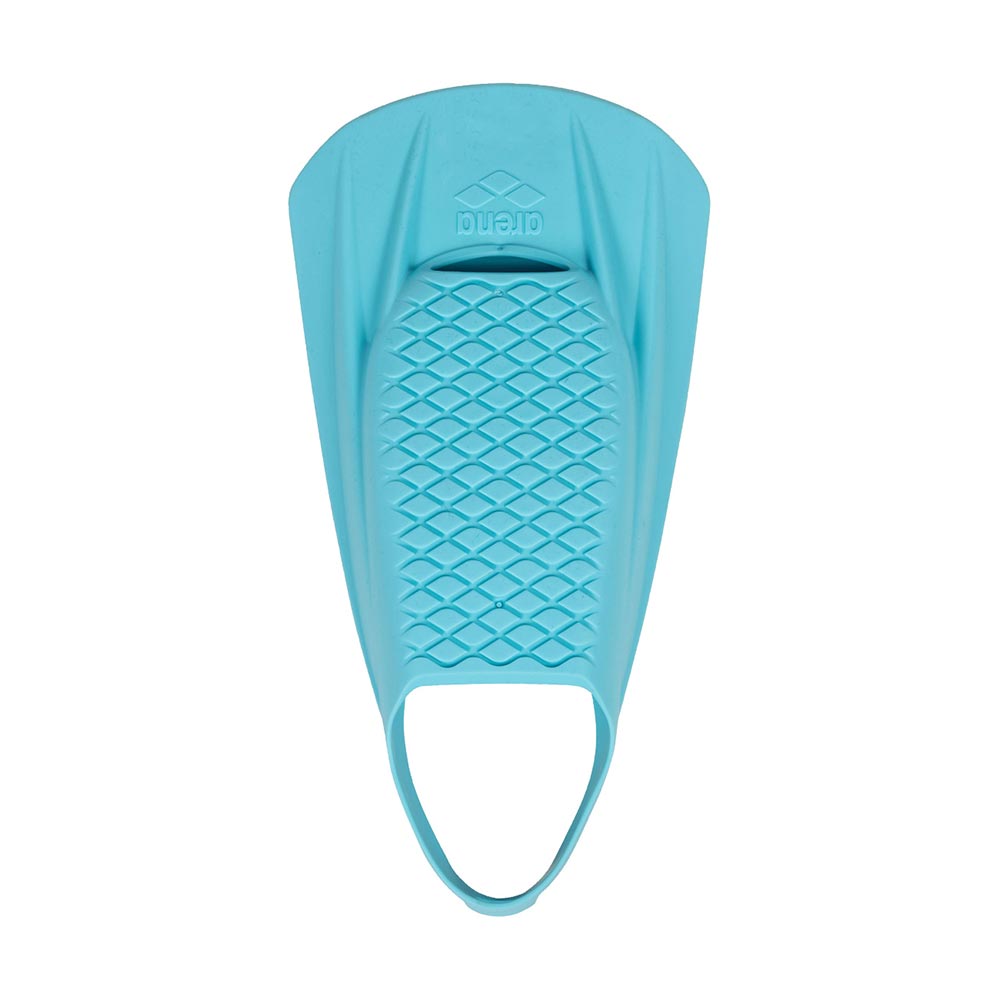
Arena Powerfin Pro II Swimming Fins -
TYR Flexfins 2.0 Swimming Fins -
Aquavision Pull Buoy -
Aquavision Swimming Kickboard, Black -
TYR Classic Pull Buoy (Youth) -
TYR Elliptic Training Strap -
TYR Ultralite Snorkel 2.0, Black -
TYR Hydroblade Swimming Fins -
Suunto Smart Heart Rate Monitor Belt, 30M WR -
Arena Free Flow Pull Buoy II -
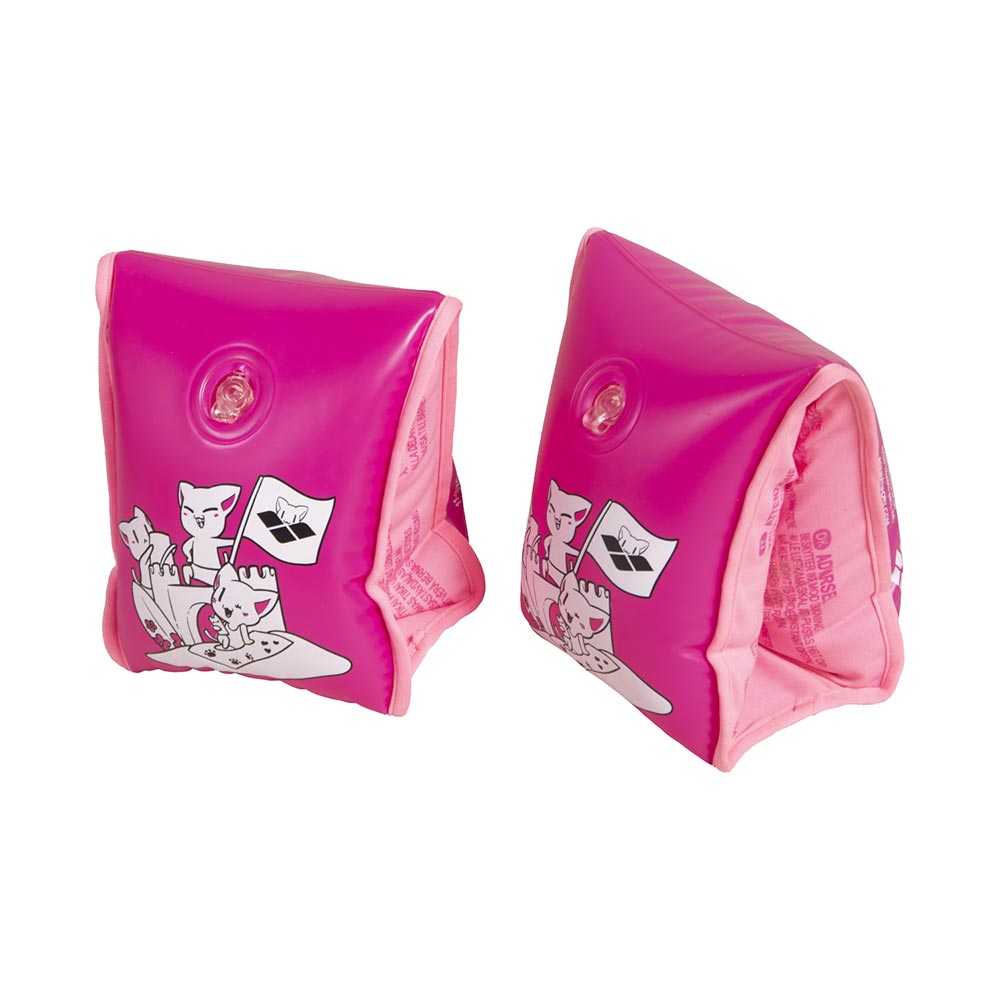
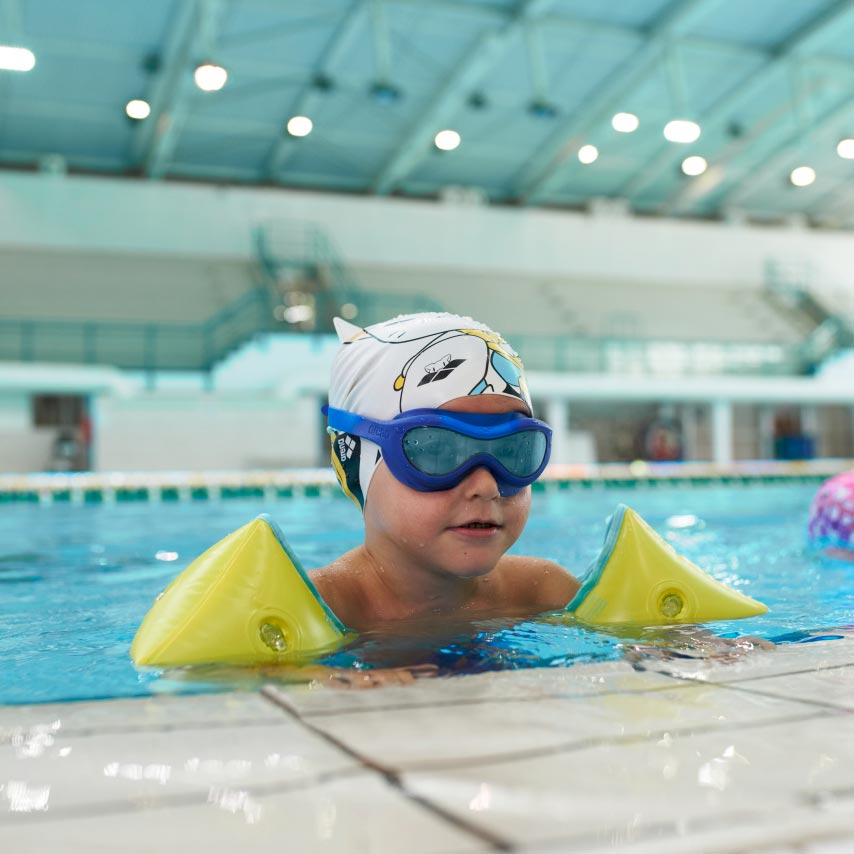
Arena Kids Swimming Armbands, Fuchsia -
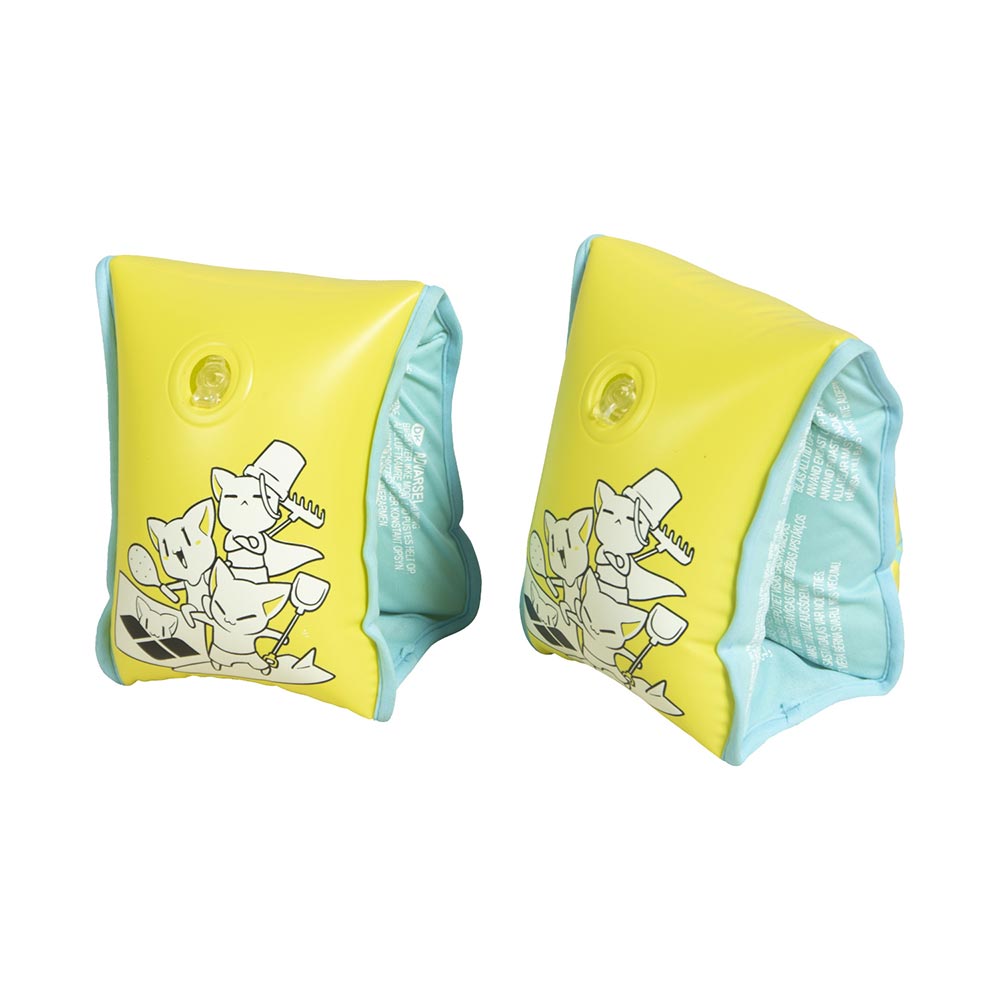
Arena Kids Swimming Armbands, Yellow -
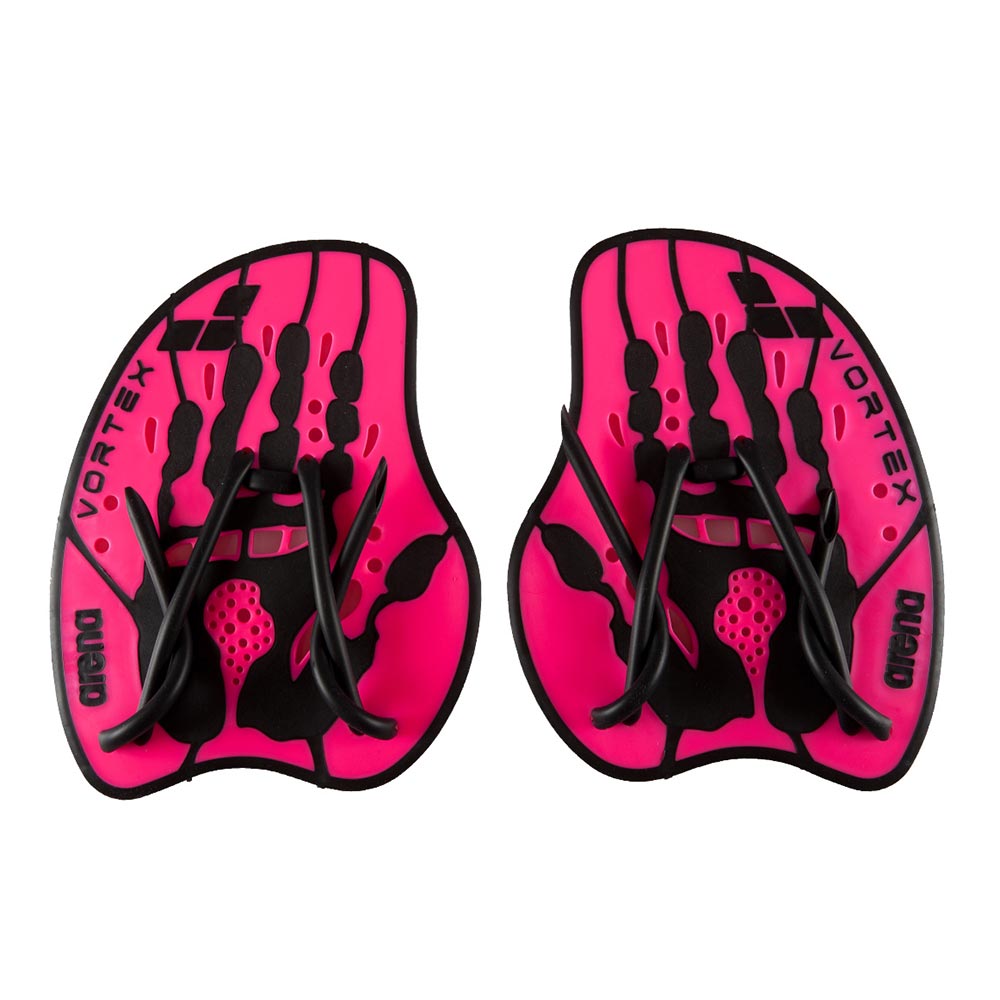
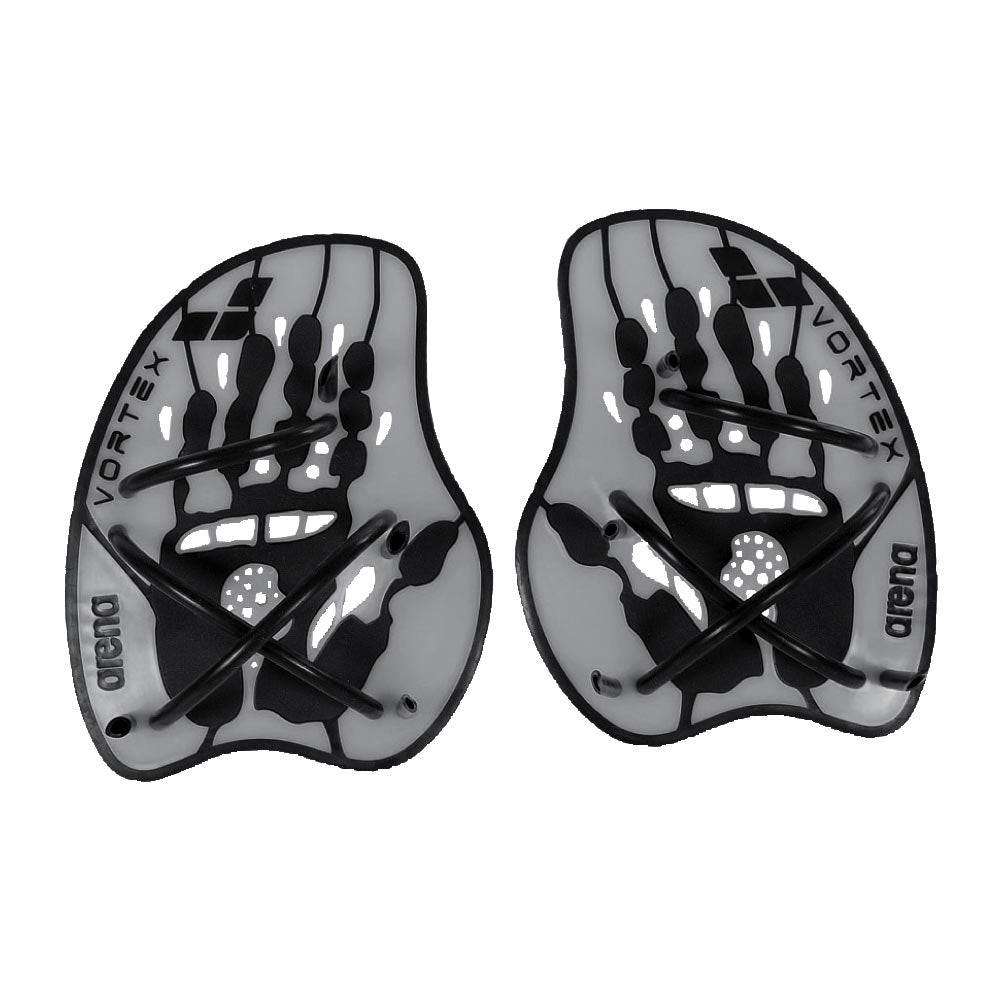
Arena Vortex Evolution Hand Paddles -
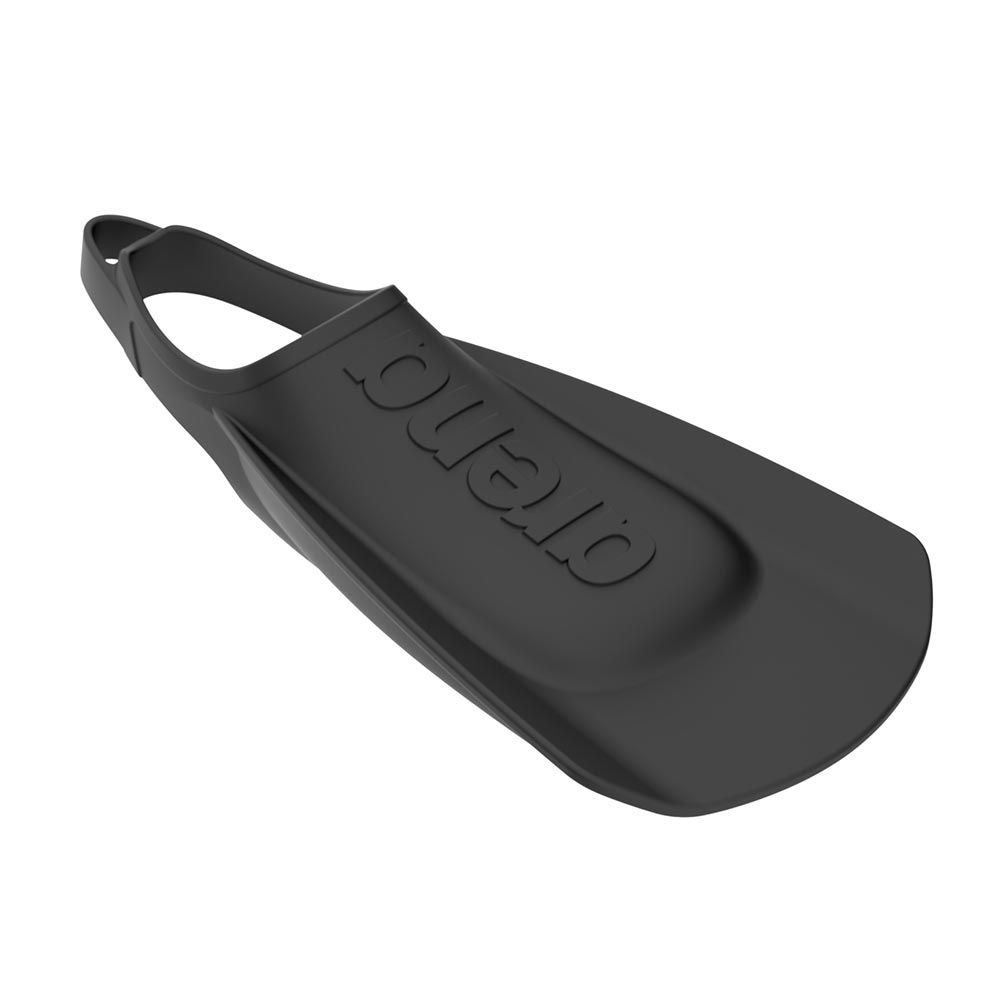
Arena Adult Swimming Fins, Black -
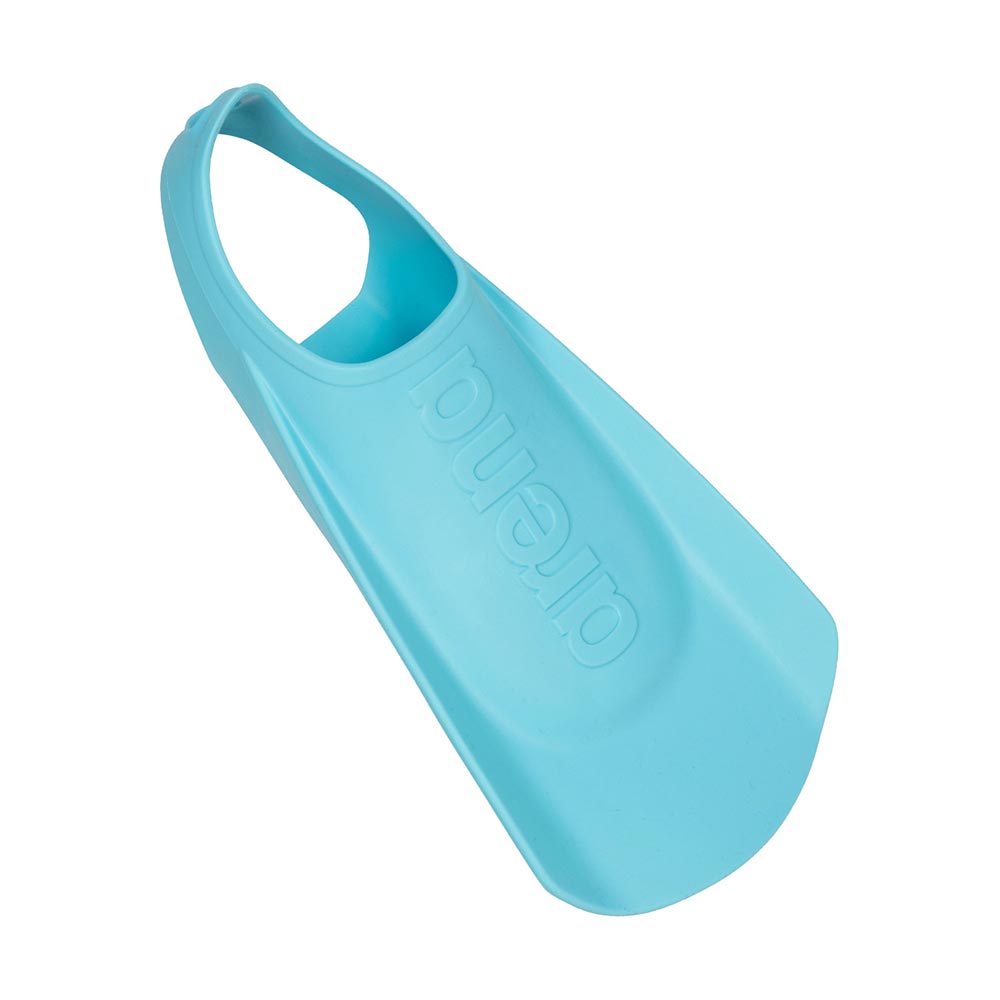
Arena Kids Junior Swimming Fins, Sky -
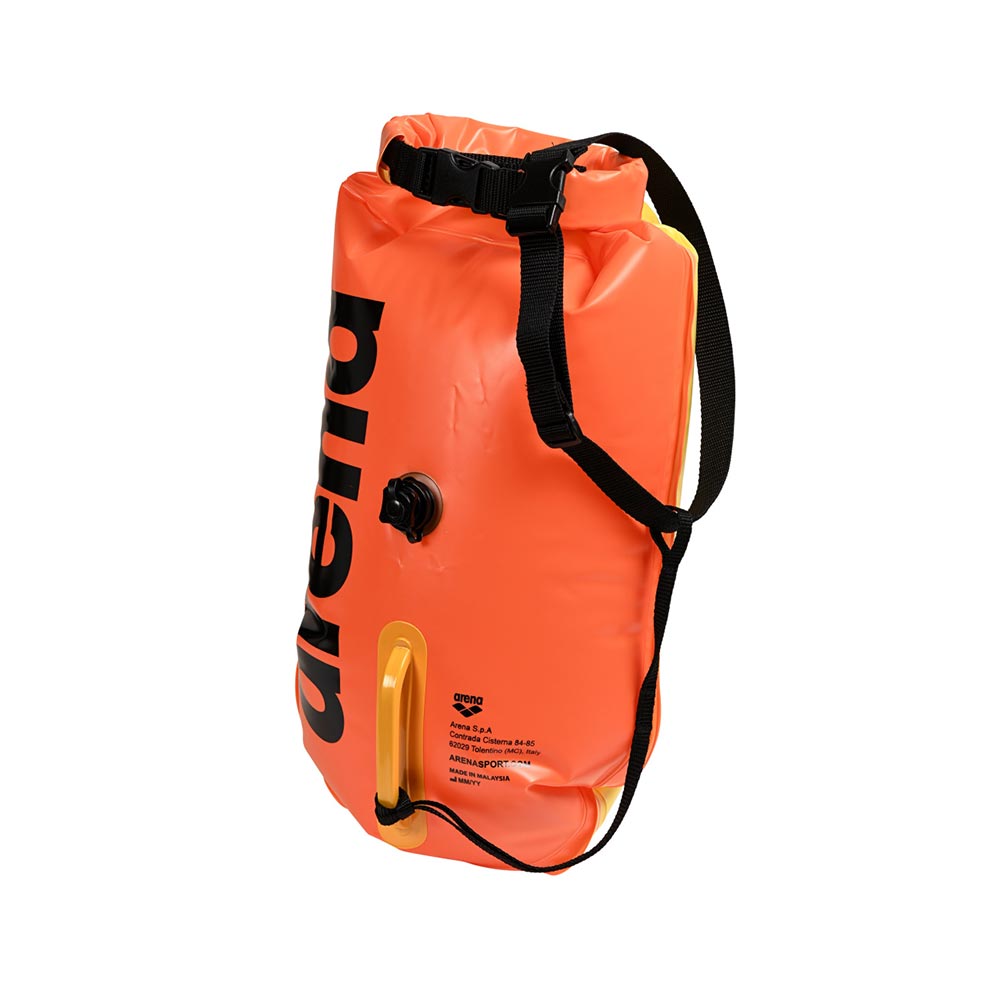
Arena Open Water Buoy 17L, Orange/Yellow -
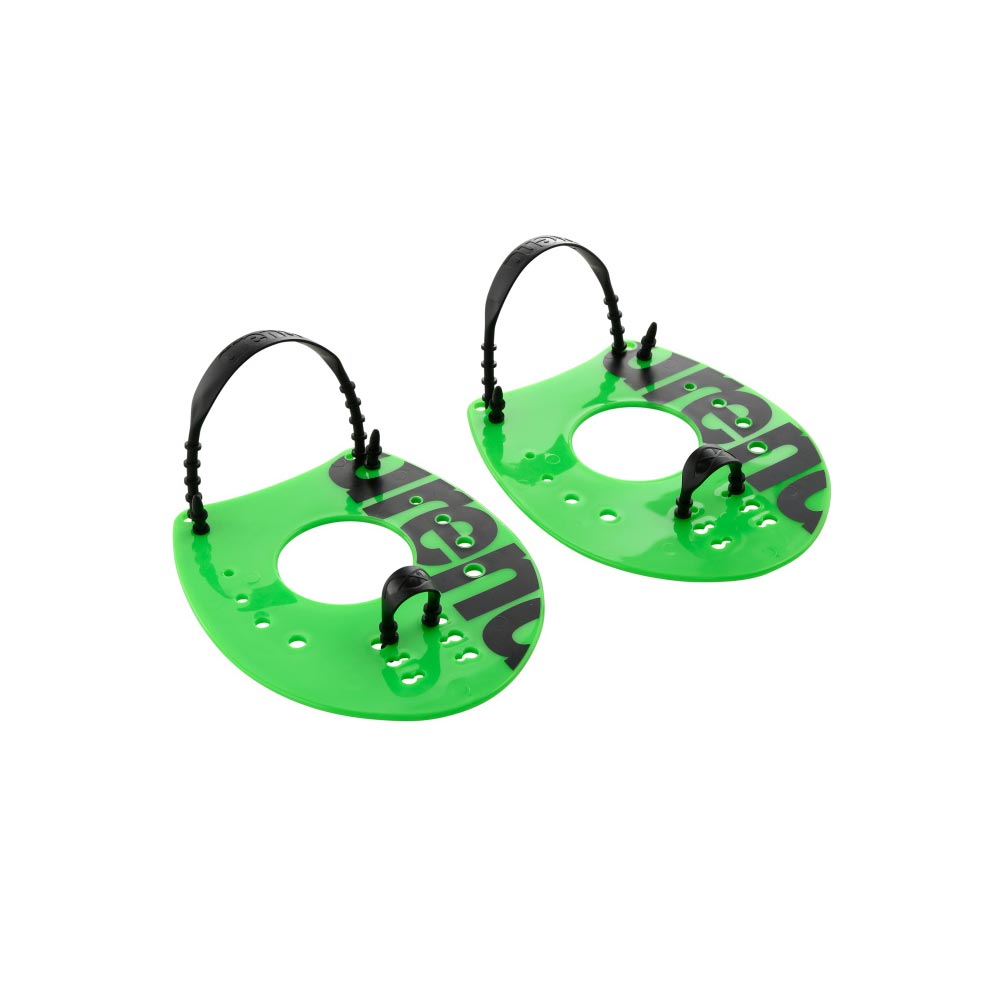
Arena Elite Swimming Hand Paddles, Acid Lime -
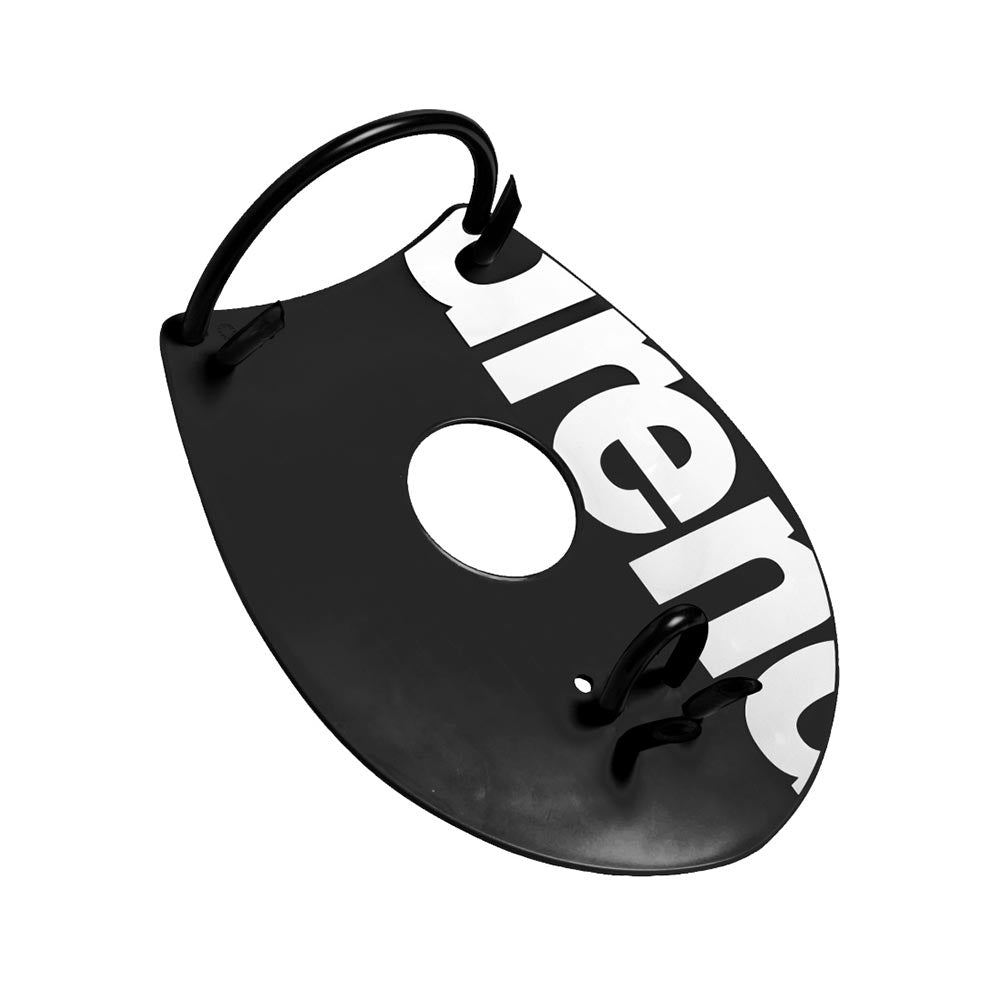
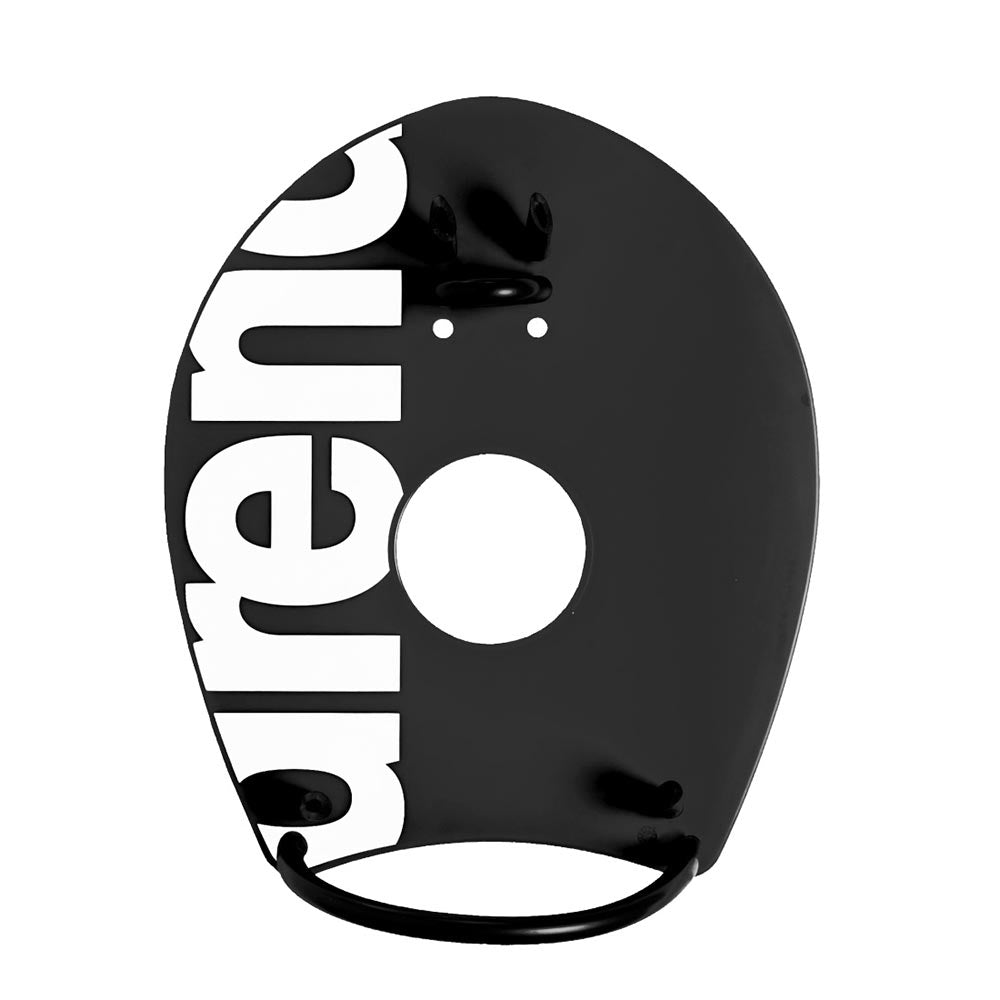
Arena Elite Swimming Hand Paddles, Black


Swimming Training Aids NZ
Training aids are one of the most effective ways to accelerate your progress in the water. Each tool is designed to isolate a specific part of your stroke or kick, build strength in targeted muscle groups, or create conditions that encourage your body to move more efficiently. Used with purpose, they can make a significant difference to your technique at any level.
At Swim Safe, we stock a focused range of swimming training aids from Arena and TYR, covering the essential tools used by swimmers from learn-to-swim through to competitive and squad training.
Not sure which tools are right for your training? Read our full guide: How to Use Swimming Training Aids to Improve Your Technique.
What Each Training Aid Does
A pull buoy sits between your upper thighs, keeping your lower body buoyant so you can focus entirely on your arm stroke without kicking. It isolates your upper body, builds arm and shoulder strength, and gives you the opportunity to work on catch position, pull path and stroke efficiency without the distraction of coordinating your legs. One of the most widely used training aids in swimming at any level.
A kickboard supports your upper body, freeing your arms so you can concentrate entirely on your kick. Kickboards are used to build leg strength, develop ankle flexibility and identify imbalances in your kick. If you drift consistently to one side during kick drills, your kick is stronger on one side than the other. A kickboard makes this immediately apparent and gives you a tool to address it.
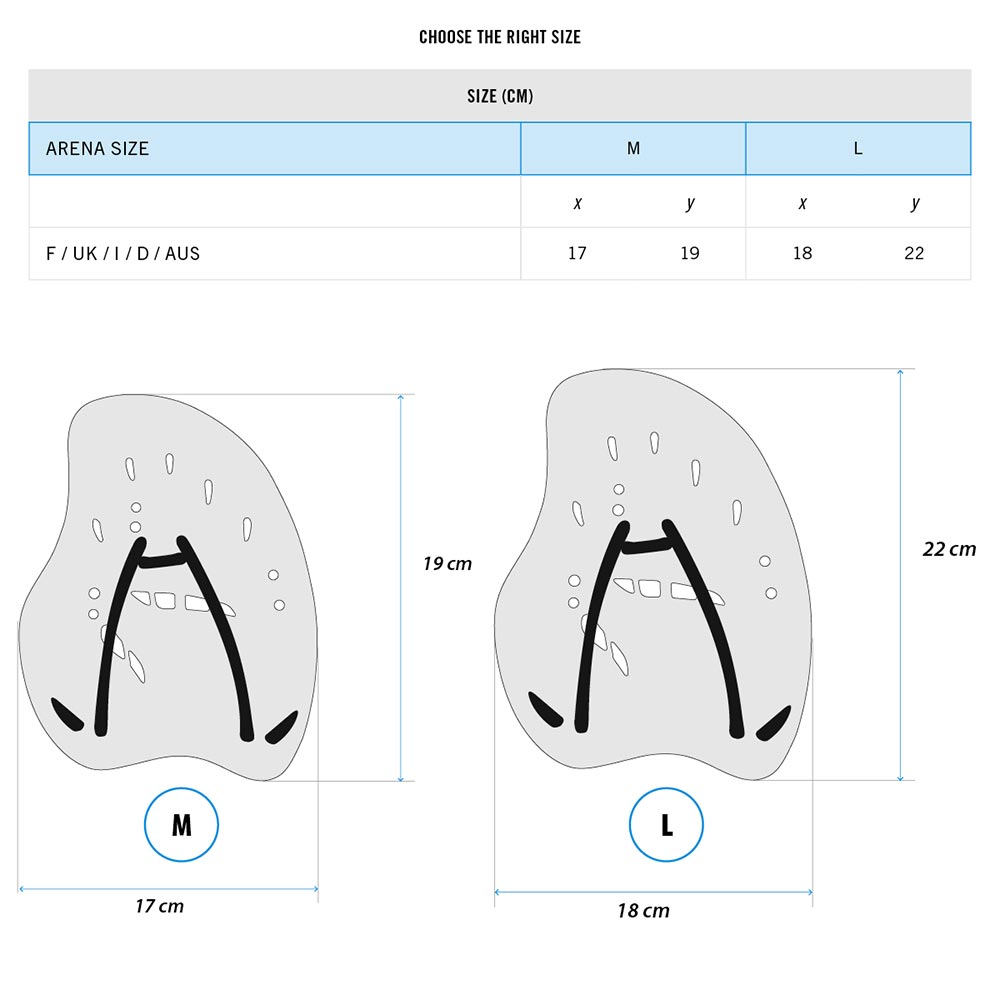
Hand paddles are flat surfaces that strap onto your hands, increasing the surface area of each stroke and making your pull through the water significantly more demanding. They amplify both good and poor technique, making them most effective for swimmers who already have a reasonably established stroke. Paddles should be approximately the same size as your hand or slightly larger. Oversized paddles increase shoulder strain and should be avoided, particularly for developing swimmers.
Fins attach to your feet and increase propulsion with each kick. They come in two main styles: short blade and long blade. Short blade fins allow for a natural kick tempo and are the standard choice for speed work and race-tempo training. Long blade fins provide more propulsion but slow your kick rate, making them better suited to drills and technique-focused work where maintaining body position is the priority. Both Arena and TYR offer fins for adults and juniors across a range of sizes.
A centre-mounted training snorkel allows you to breathe continuously without turning your head. This removes one of the most disruptive movements in freestyle swimming, allowing you to focus entirely on catch, pull, body rotation and kick without interruption. Best used during technique drills rather than hard aerobic efforts.
A swim resistance belt attaches around your waist and connects via an elastic cord to a fixed poolside anchor point, allowing you to swim in place against the resistance of the cord. Stationary swimming builds strength across your stroke and kick simultaneously and is a useful tool for technique work in a controlled environment. The resistance belt is also a practical option for swimmers training in smaller pools or travelling.
Frequently Asked Questions
What swimming training aids do I need as a beginner?
A pull buoy and kickboard are the most accessible starting points for beginner swimmers. The kickboard supports your upper body while you develop your kick, and the pull buoy allows you to work on your arm stroke without coordinating your legs at the same time. Both give immediate feedback on your technique and are straightforward to use from the first session.
Can I use hand paddles as a beginner?
Hand paddles are better suited to swimmers who already have a reasonably consistent stroke. They amplify both good and poor technique, and for swimmers with an underdeveloped catch, they can increase the risk of shoulder strain. Developing a consistent stroke first and then adding paddles to build strength is the recommended approach.
What does a pull buoy do?
A pull buoy is placed between your upper thighs to keep your lower body buoyant, allowing you to swim without kicking. This isolates your upper body and forces your arms, shoulders and core to generate all the propulsion, making it an effective tool for building upper body strength and focusing on stroke technique.
What is the difference between short blade and long blade fins?
Short blade fins allow for a natural kick tempo that mirrors race mechanics, making them the standard choice for speed work and race-tempo training. Long blade fins provide more propulsion but slow your kick rate, making them better suited to technique drills where maintaining body position is the priority. Most swimmers keep both in their kit and alternate based on what they are working on.
Do swimming training aids actually improve your technique?
Yes, when used with a clear purpose. Training aids are most effective when you understand what each tool is designed to do and use it to target a specific area of your stroke. Used without intention or to compensate for weakness rather than address it, some aids can reinforce poor habits. Our guide to using swimming training aids covers how to get the most from each tool.
What size hand paddles should I use?
Paddles should be approximately the same size as your hand or slightly larger. Starting with a smaller paddle and building up gradually as your shoulder strength develops is the recommended approach. Oversized paddles increase the load on the shoulder joint significantly and can cause injury, particularly for swimmers who are not yet strong enough to handle the resistance.
Are swimming fins good for training?
Yes. Fins increase swimming speed, which keeps your body in a higher, more efficient position in the water and allows you to feel what good body position actually feels like. They are useful across all phases of a session: short fins for speed and race-tempo work, long fins for technique drills and developing ankle flexibility. The key is to balance fin use with unfinned swimming to ensure you are developing genuine kick strength.